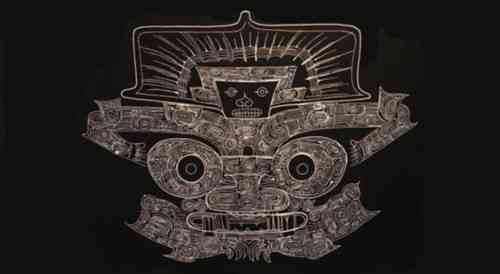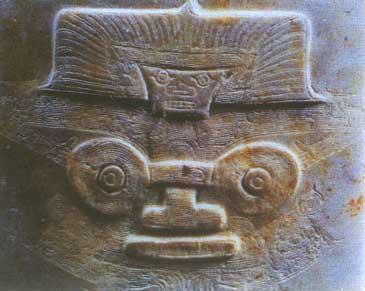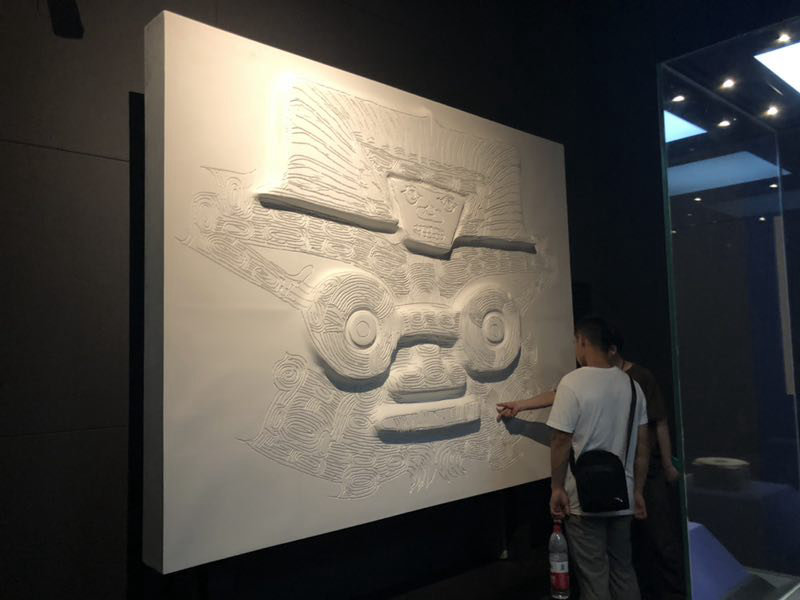
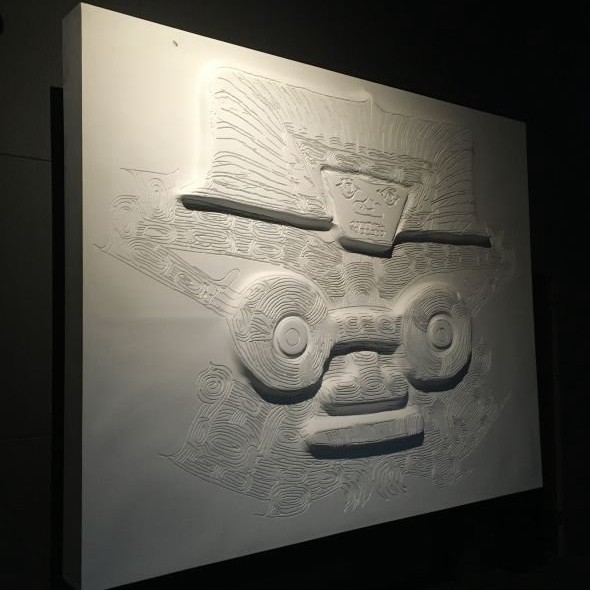
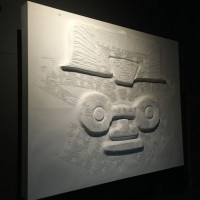
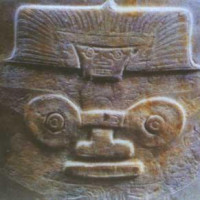
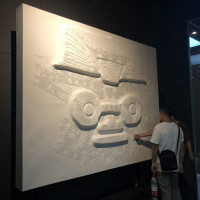
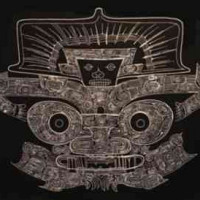
MIC Imaging and Zhejiang University’s Cultural Heritage Research Institute scanned a jade cong excavated at Liangzhu, enlarged its incised design in a 3D model and printed it so visitors could examine the pattern in detail.
Excavations at Liangzhu sites from the 1970s through the 1990s yielded many remarkable objects. The jades stand out for their dense, precise patterns and fine incised lines. Liangzhu jade is tremolite, with a reported Mohs hardness of 4–6. How did ancient artisans cut these designs before high-carbon alloy tools existed? Researchers have proposed shark teeth or tools made of agate or rock crystal. Japanese archaeologists have suggested diamond as a tool capable of cutting fine lines freely. Even so, freehand engraving alone is difficult to reconcile with the intricacy of the surviving patterns.