
MIC Imaging Supports “Splendor of the Silk Road,” a Joint Exhibition from Three Grotto Sites
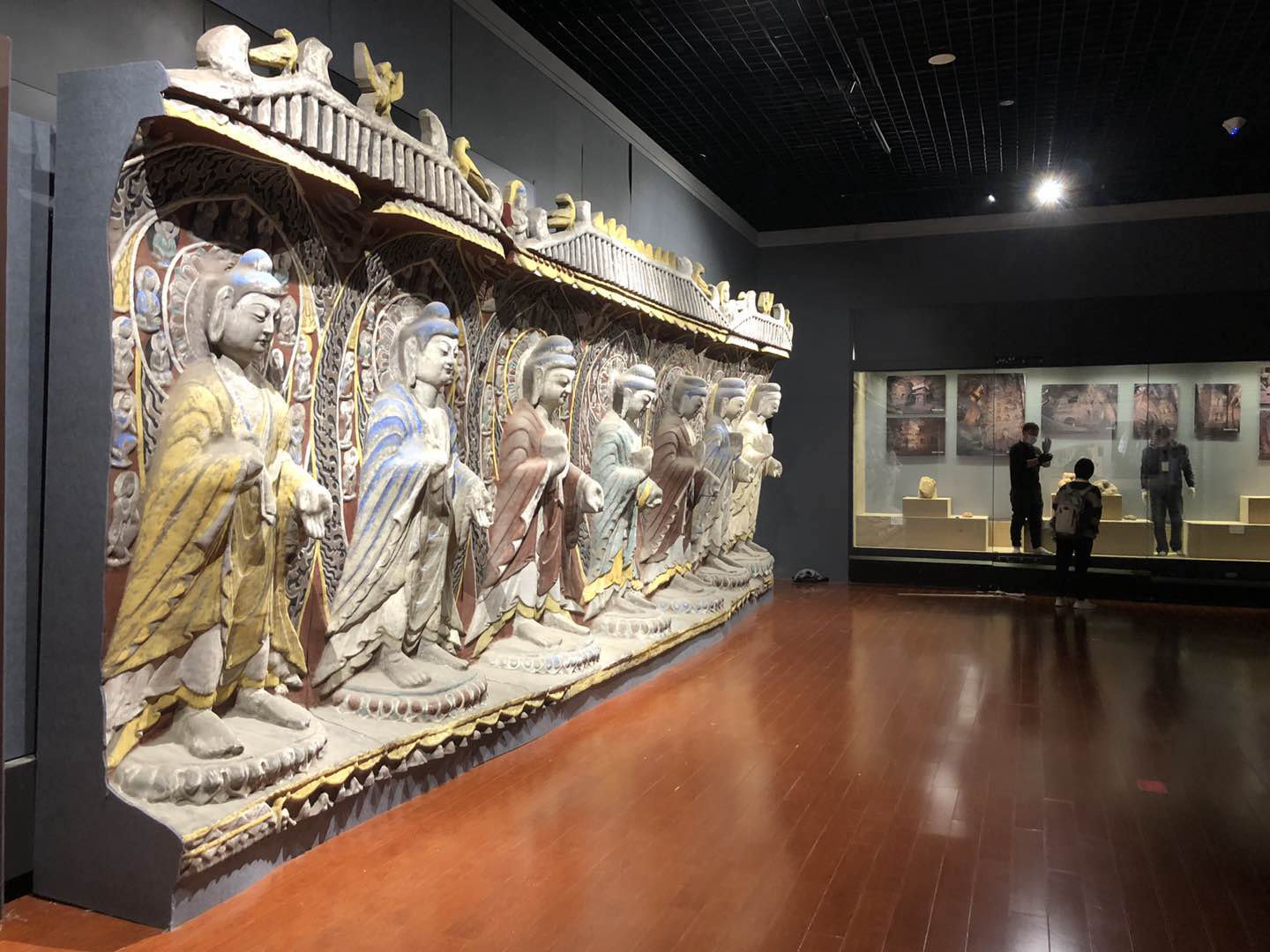 The art of the grottoes is known far beyond the mountains along the Silk Road. On October 18, 2020, the ancient capital of Luoyang welcomed a major exhibition of heritage and art. At 10 a.m., “Splendor of the Silk Road: Art of the Dunhuang, Yungang and Longmen Grottoes” opened at Luoyang Museum, alongside a conference marking 20 years since Longmen’s inscription on the World Heritage List. The Longmen Grottoes Research Institute, Dunhuang Academy and Yungang Grottoes Research Institute presented the exhibition, with Luoyang Museum as co-organizer. This major joint presentation brought together three distinct grotto traditions in the People’s Republic of China.
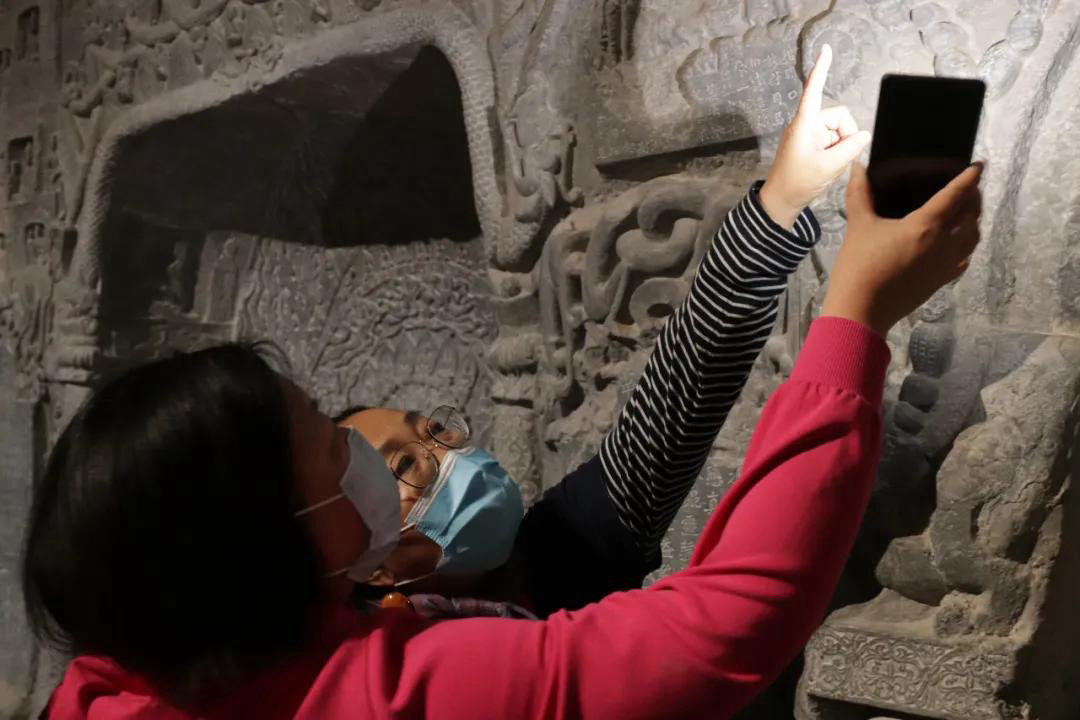
Shenzhen MIC Technology Co., Ltd., which produced the world’s first 3D-printed cave replica and the first transportable 3D-printed cave replica, supplied several full-scale copies of cave sculptures. Most of the originals sit more than five meters above the ground, beyond the reach of a close viewing. The replicas, made by MIC Imaging and Zhejiang University’s Institute of Cultural Heritage using high-resolution scanning and 3D printing, allow ordinary visitors to examine and study the 1,500-year-old sculptures up close.
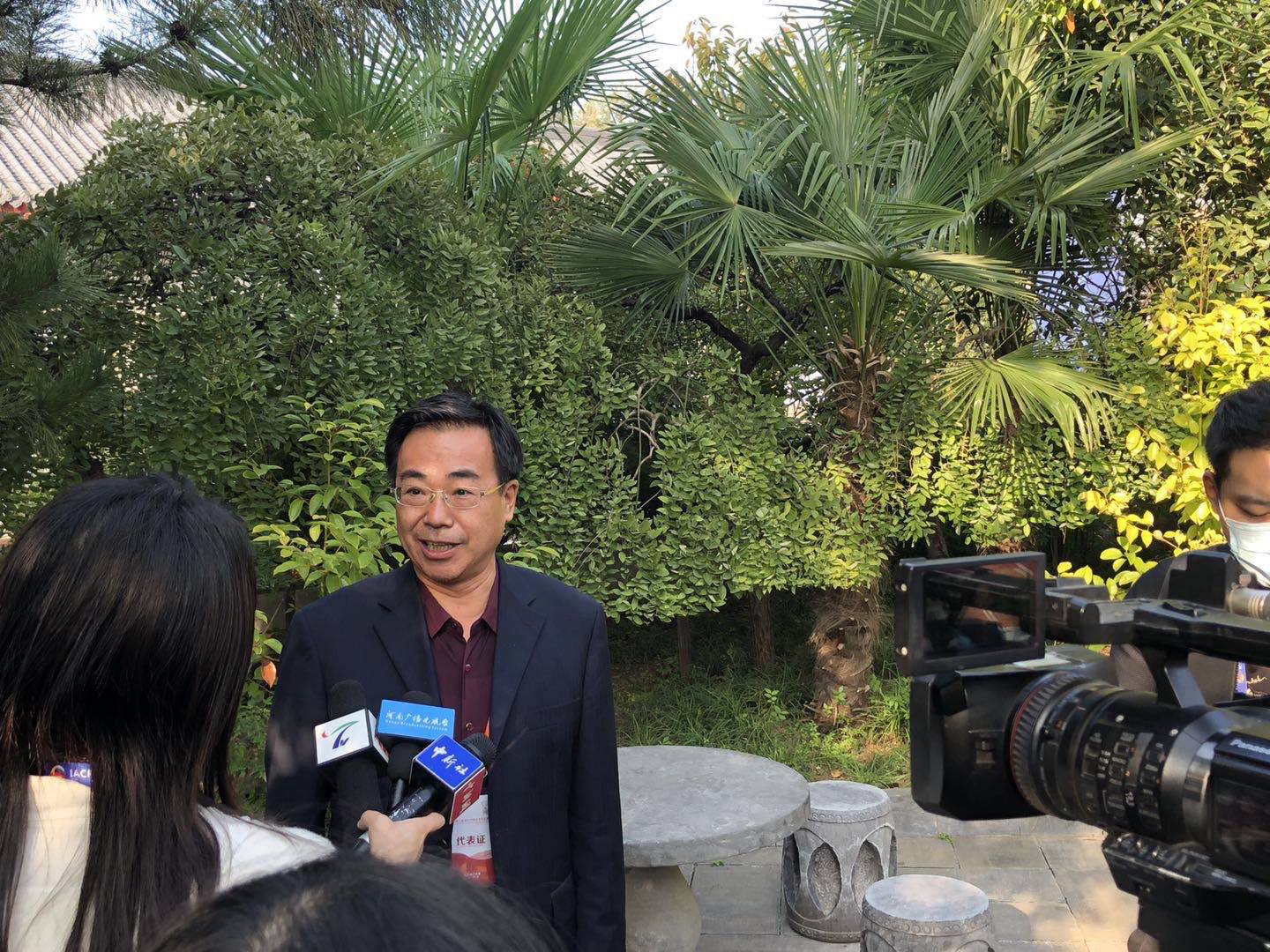
Yungang Grottoes Research Institute Director Zhang Zhuo speaks to reporters
Zhang Zhuo, director of the Yungang Grottoes Research Institute, told reporters that the institute had developed its digital work in recent years alongside traditional research and conservation. “Digitization includes collecting data, storing it and building an archive. On the foundation of 3D laser scanning, we have now moved into 3D printing. We have reproduced several Yungang caves with a high degree of precision and fidelity, making it possible for them to travel the world.”
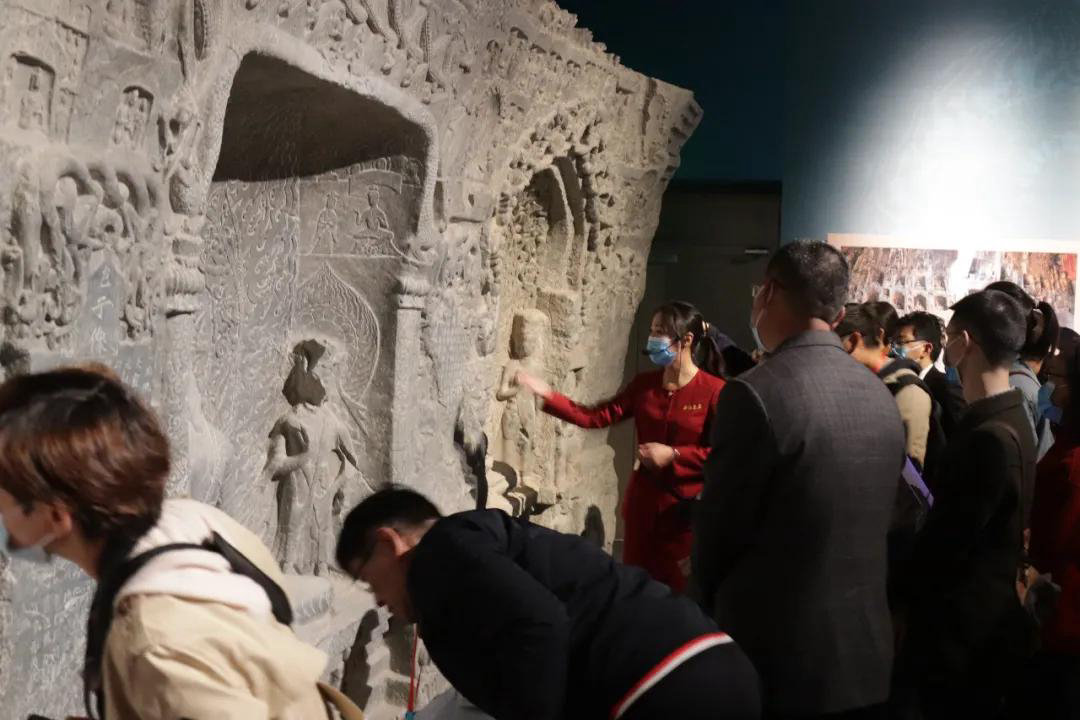 Among MIC Imaging’s exhibits was a 3D print of a digitally restored sculpture from the Gaoshu Niche in Guyang Cave at Longmen, using a head repatriated from abroad. Research indicates that the head of the central Shakyamuni Buddha was stolen between 1907 and 1920. Taken first to France and then to Belgium, it entered an American collection in the late 1970s. Chen Zhejing acquired it in spring 1991. In October 1992, Chen came to Longmen. The head matched the damaged joint on the Buddha in the Gaoshu Niche, establishing its origin. In December 2004, with approval from the National Cultural Heritage Administration, the China Cultural Relics Information and Consultation Center acquired the head and brought it back to China. Fourteen years after its return, in early 2019, Longmen produced a high-resolution model of the niche and a model of the head at the same resolution. The team digitally fitted them together, reconstructed the niche and made a 3D replica of the result.
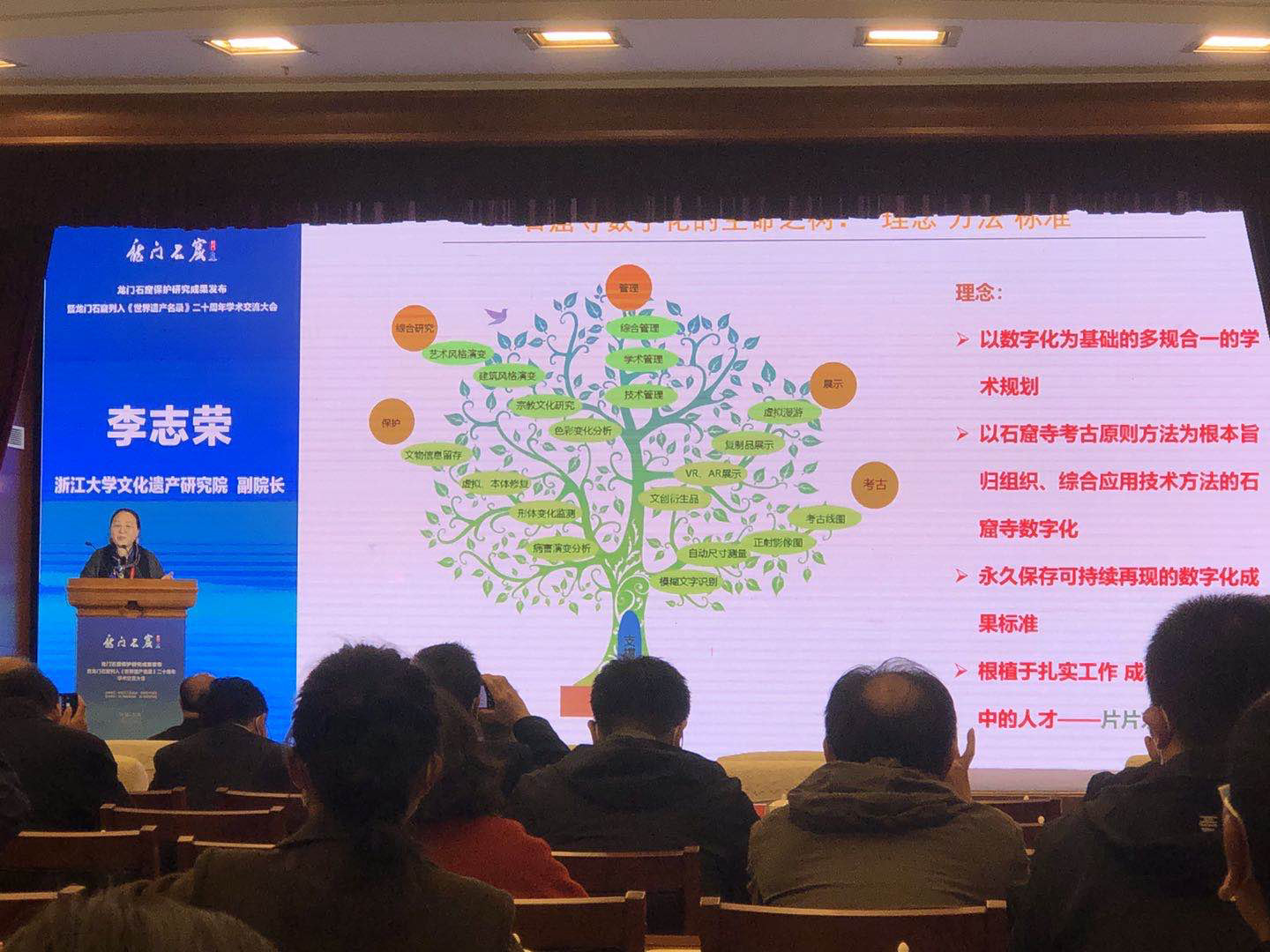 Li Zhirong, deputy director of Zhejiang University’s Institute of Cultural Heritage, presents the “tree of life” of cave temple digitization. Its main branches are management, display, archaeology, conservation and interdisciplinary research. The slide calls for coordinated research grounded in archaeological methods, and records that can be permanently kept and reproduced.
The project tested the use of digital reconstruction to fit a repatriated object to the surviving remains of a damaged cave temple. It formed part of the initiative by the Longmen Grottoes Research Institute, Zhejiang University and MIC Imaging in Shenzhen to 3D-print the four major niches and the Gaoshu Niche in Guyang Cave. Photography and 3D scanning record the color, position and geometry of the originals as high-resolution data that can be edited and transformed on a computer. Digitization brings heritage research and conservation to the public, but its potential extends further. At the meeting, Li Zhirong, deputy director of Zhejiang University’s Institute of Cultural Heritage, showed a tree diagram of applications in conservation, interdisciplinary research, management, display and archaeology.
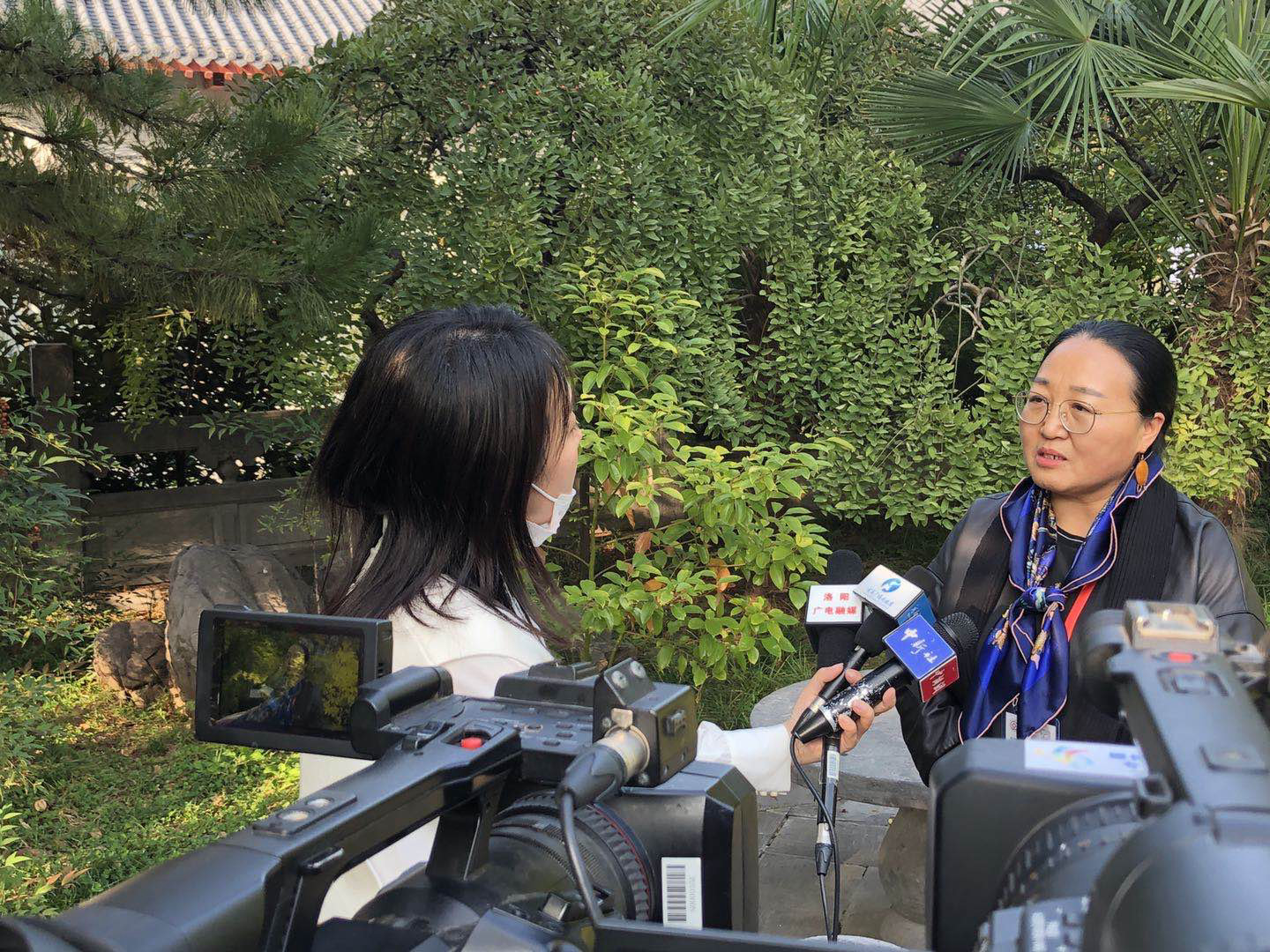
Li Zhirong, deputy director of Zhejiang University’s Institute of Cultural Heritage, speaks to reporters
“Digitization is a technical method. Our hope is to lay a foundation for serious scholarly research,” said Li Zhirong, who took part in digitizing Longmen. Li envisages cultural heritage data as a resource comparable to a mineral deposit or oil field, but one that does not run out. Digital technology can now record objects in enough detail for reconstruction and prepare the ground for work with big data and artificial intelligence.