
MIC Imaging Helps the Yungang Grottoes Travel the World
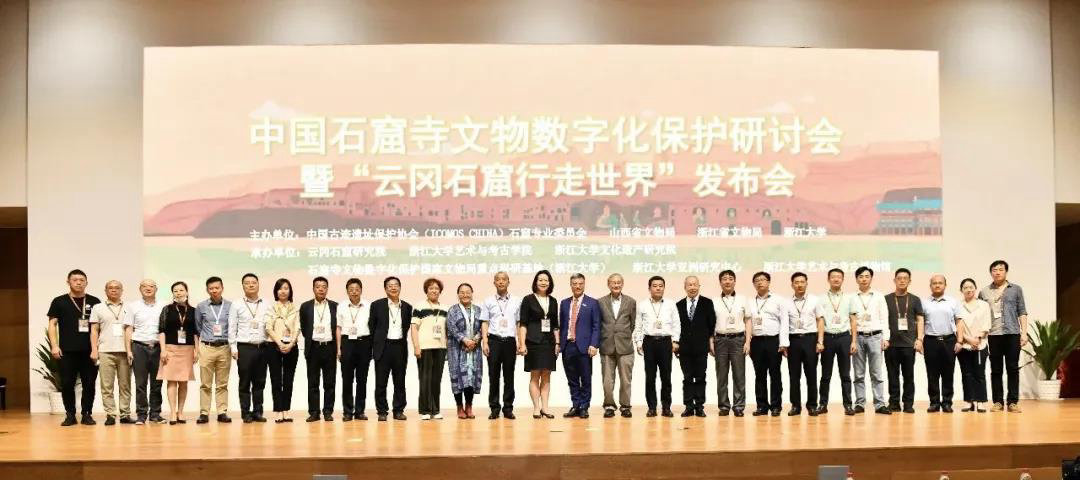 Symposium on the Digital Preservation of China’s Cave Temples and launch of “Yungang Grottoes Travel the World.”
▲ Opening ceremony
On the morning of September 28, 2020, the Zhejiang University Museum of Art and Archaeology hosted a symposium on digital preservation at Chinese cave temples and the launch of “Yungang Grottoes Travel the World.” Specialists discussed digital conservation and formally announced the start of the touring initiative.
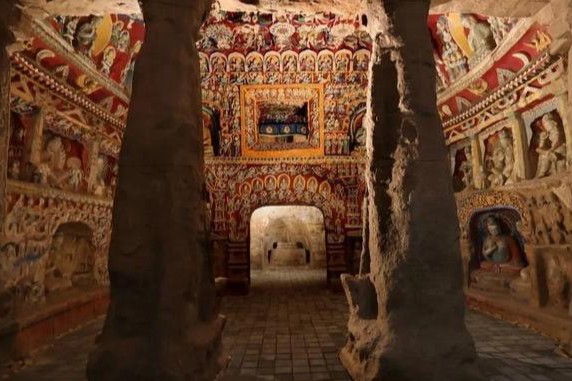 ▲ Replica of Yungang Cave 12
 Symposium on digital preservation at cave temples.▲ Yungang Grottoes Research Institute Director Zhang Zhuo speaks at the opening
The tour is scheduled to reach Shanghai at the end of this year and Shenzhen next July. Dates and venues for later stops are being confirmed. Yungang Cave 12, known as the Music Cave or Cave of Buddhist Sounds, has a front hall and rear chamber. It measures 14 m deep, 11 m wide and 9 m high and depicts the splendor of Maitreya’s celestial palace. Reliefs in the front hall show celestial musicians in an early Chinese court orchestra playing the pipa, bili reed pipe, guqin zither and other instruments of Eastern and Western origin. The carvings hold an important place in Chinese music and dance history.
 ▲ Li Zhirong, deputy director of Zhejiang University’s Institute of Cultural Heritage, guides visiting officials through the replica
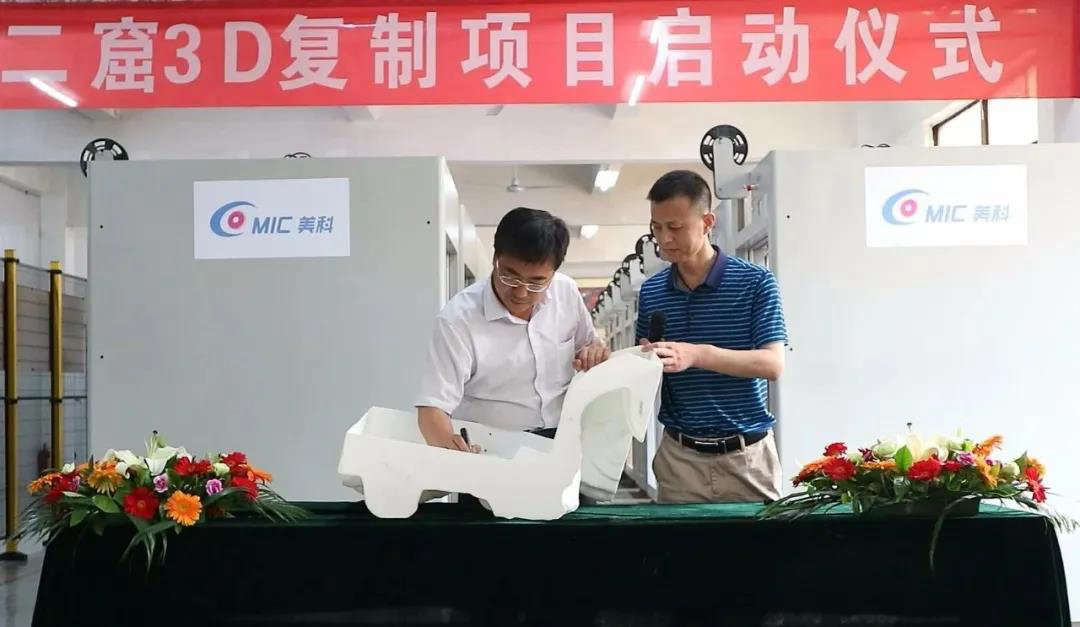 Launch of the Yungang Cave 12 3D replication project.▲ Yungang Research Institute Director Zhang Zhuo inscribes the first printed model
The project launch ceremony took place at Shenzhen MIC Technology Co., Ltd. on the afternoon of June 14, 2018. Over the following year, 20 large, high-precision industrial 3D printers developed and built by MIC Imaging ran around the clock, seven days a week, and completed the modules on schedule. The team joined modules, applied the texture layers and reinforced the backs as printing progressed. It also developed a proprietary motorized lifting structure that allows the cave to be assembled and dismantled layer by layer. Rapid installation and removal reduce exhibition costs and time on site.
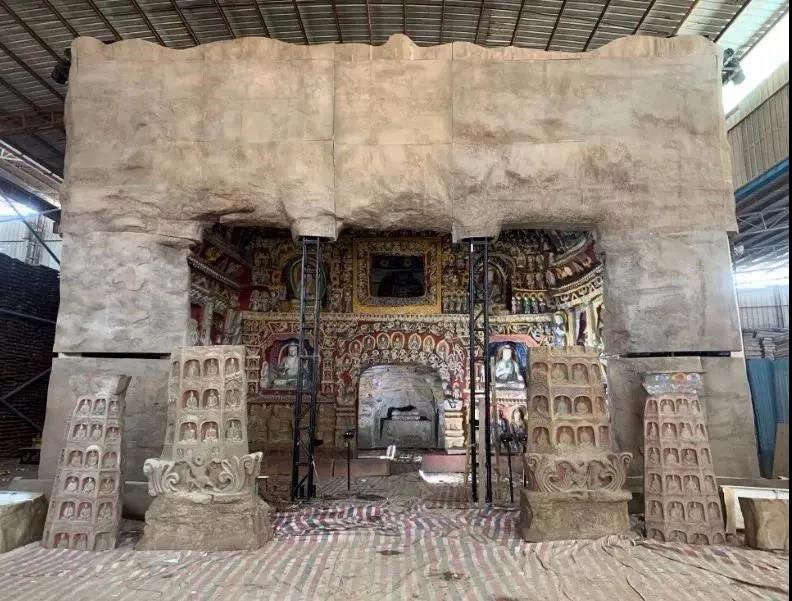 ▲ Final assembly and coloring completed in November 2019
 Yungang Grottoes. “Digital Yungang sets sail!”▲ Digital Yungang sets off
On December 30, 2019, a convoy of container trucks carrying the Cave 12 replica left MIC Imaging’s final assembly workshop in Shenzhen for Zhejiang University’s Zijingang campus, where it would debut at the university’s Museum of Art and Archaeology. MIC Imaging’s five-person installation crew began work on January 6, 2020, and had the cave largely in place by January 20, demonstrating the quick assembly and disassembly design in practice.