
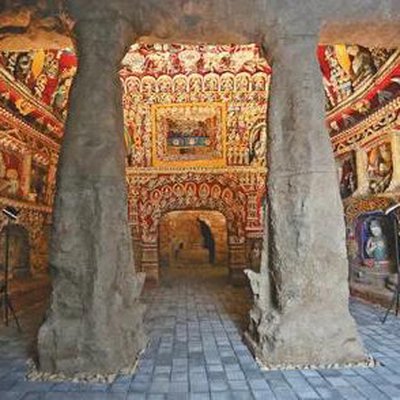
MIC Imaging, the Yungang Grottoes Research Institute and Zhejiang University used 3D printing to create the first touring replica of a large cave. At 9 m high and 11 m wide, it matches the original in scale. Interlocking sections make it possible to dismantle, transport and reassemble the cave at each venue.
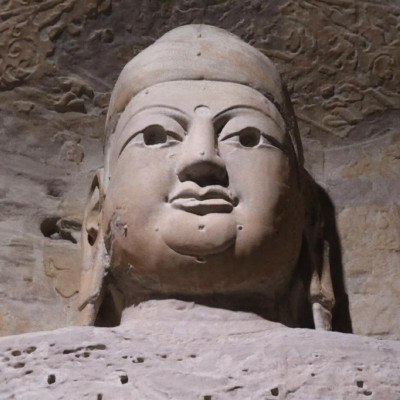
MIC Imaging, the Yungang Grottoes Research Institute and Zhejiang University’s Cultural Heritage Research Institute reproduced Yungang Cave 3 at full scale. With support from Qingdao Media Group, the installation found a home on the sixth floor of City Media Plaza. The partners overcame technical challenges to complete this pioneering full-scale replica of an immovable monument and handed it over on December 16, 2017.
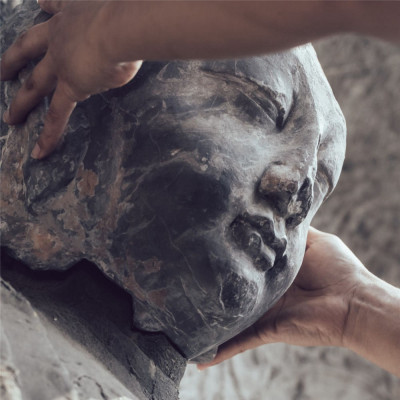
MIC Imaging worked with the Longmen Grottoes Research Institute, Zhejiang University’s Cultural Heritage Research Institute and Shanghai Museum to return a full-scale 3D-printed copy of a displaced Buddha head to a standing figure on the north wall of Fengxian Temple. The two broken surfaces matched precisely.
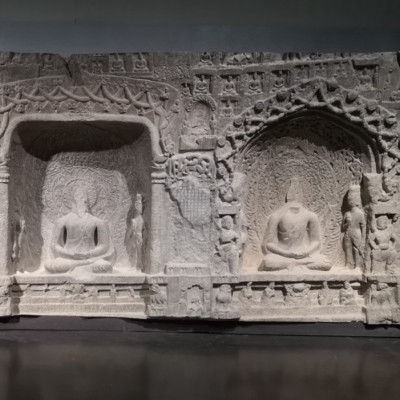
In 2019, MIC Imaging, the Longmen Grottoes Research Institute and Zhejiang University digitized five niches in Guyang Cave and printed full-scale replicas. On April 28, 2020, four of them – the Duke of Shiping, Wei Lingzang, Yang Dayan and Gaoshu niches – debuted at Guangdong Museum alongside objects from the Longmen collection in Luoyang.
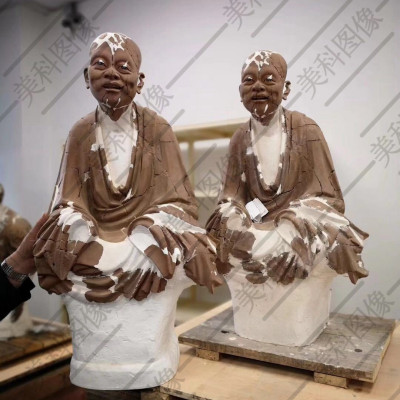
MIC Imaging digitally reproduced six arhat figures excavated at the Liao Upper Capital at their original size, recreating the texture and detailing of each surface. Specialists praised the finished replicas.
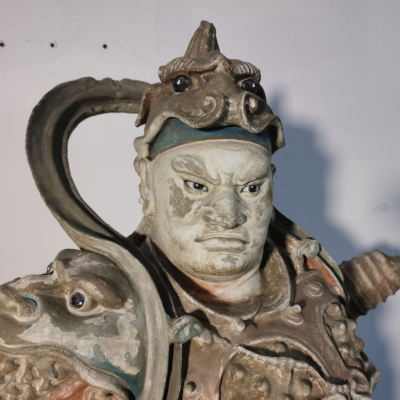
The Palace Museum’s cultural product research and exchange center in Pingyao and Zhejiang University’s Cultural Heritage Research Institute captured high-resolution 3D data at Shuanglin Temple. MIC Imaging handled the 3D printing and finishing.
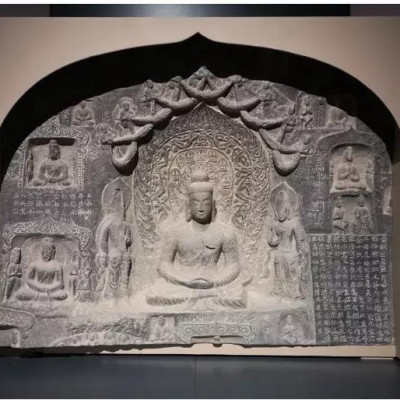
The Longmen Grottoes Research Institute, Zhejiang University and MIC Imaging launched a 3D-printing project covering the four major niches and the Gaoshu niche in Guyang Cave. Photography and 3D scanning recorded the color, geometry and spatial relationships of the carvings as high-resolution data that could be edited and transformed digitally.
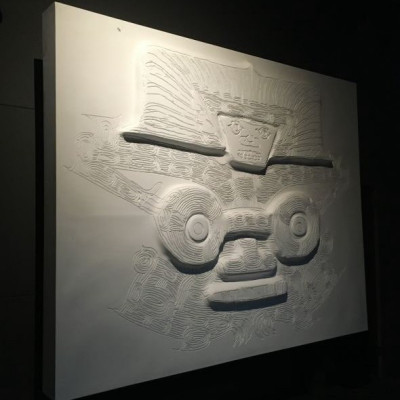
MIC Imaging and Zhejiang University’s Cultural Heritage Research Institute scanned a jade cong excavated at Liangzhu, enlarged its incised design in a 3D model and printed it so visitors could examine the pattern in detail.
Browse by Category
Latest Updates
-
Yungang Cave 12 goes on tour
2020-11-13 -
Recreating the arhats of the Liao dynasty
2020-11-13