
Splendor of the Silk Road: Art from Three Great Grotto Sites Opens
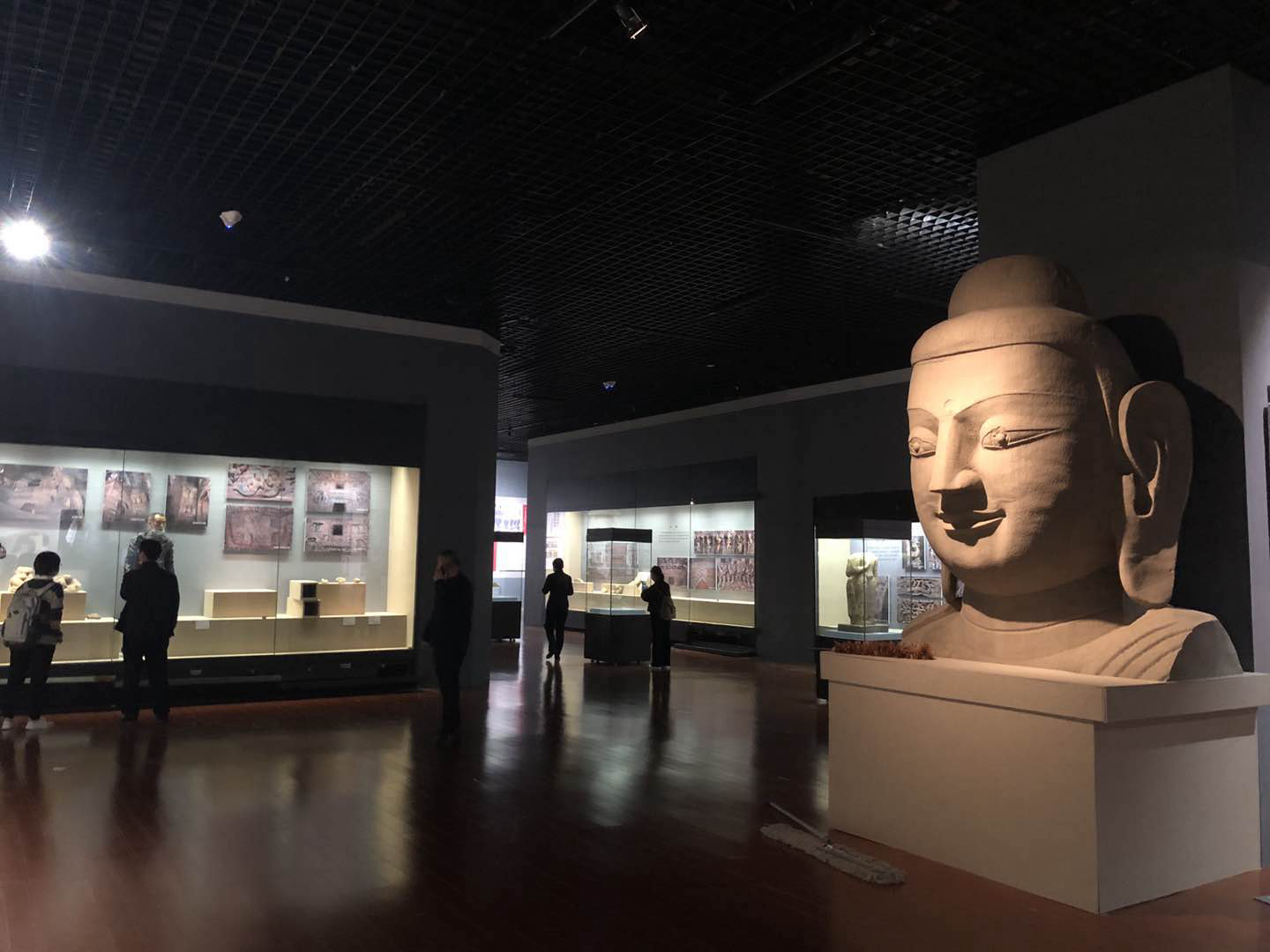
The art of the grottoes is known far beyond the mountains along the Silk Road. October 18, 2020, marks a special occasion for the ancient capital of Luoyang. At 10 a.m., Luoyang Museum hosts the opening of “Splendor of the Silk Road: Art of the Dunhuang, Yungang and Longmen Grottoes,” alongside an academic conference marking 20 years since Longmen’s inscription on the World Heritage List.
Luoyang is a historic city, a cradle of Chinese civilization and one of the eastern starting points and trading hubs of the Silk Road. Its distinctive history remains a major draw. Under the municipal Party committee and government, with support from Party committees and governments at all levels and the work of heritage professionals across the city, Luoyang has continued to develop its conservation programs. The city has 51 nationally protected heritage sites, more than 420,000 objects in museum collections, and six sites belonging to three World Heritage properties, including the Longmen Grottoes, the Han-era Hangu Pass and the ruins of Sui–Tang Luoyang.
The Silk Road connected East and West, allowing people to exchange ideas, hold conversations and shape one another’s cultures. “Diversity leads civilizations to exchange, exchange to mutual learning, and mutual learning to development.”
Buddhist cave temples preserve a distinctive part of this history. Their art records cultural exchange, encounters among ethnic groups and learning between China and other civilizations along the Silk Road. UNESCO inscribed Dunhuang’s Mogao Caves in 1987, the Longmen Grottoes in 2000 and the Yungang Grottoes in 2001 on the World Heritage List in recognition of their creative achievement.
“Bring to life the relics kept in palaces, the heritage spread across the land and the words written in ancient books.” The exhibition seeks to reveal the cultural spirit and breadth of the Chinese nation, strengthen cultural confidence and reinforce a shared sense of national community. The Longmen Grottoes Research Institute, Dunhuang Academy and Yungang Grottoes Research Institute organized the exhibition in response to guidance on the protection and use of cultural heritage. Here in Luoyang, treasures from all three sites appear together. Guided by the Thought on Socialism with Chinese Characteristics for a New Era and major statements on heritage conservation and use, the organizers see the exhibition as a cultural and political responsibility. It brings together highlights from the three sites to trace exchange along the Silk Road, contact between northern and southern cultures, integration among peoples and changes in cave art. Visitors can both enjoy the art and learn its history. The organizers hope to share the nation’s cultural outlook and confidence, strengthen a shared Chinese identity, provide cultural and humanistic support for socialism with Chinese characteristics in the new era, and contribute to the Chinese Dream of national rejuvenation.
Three galleries explore “Sacred Traces by the Singing Sands: Dunhuang,” “Crown of the Frontier: Yungang,” and “Pearl of the Central Plains: Longmen.” They show the scale, history and artistry of the sites and the work and achievements of decades of conservation. Bringing so many objects together offers visitors a rare opportunity to experience the three grotto traditions side by side.
The Longmen Grottoes Research Institute, Dunhuang Academy and Yungang Grottoes Research Institute presented the exhibition with Luoyang Museum as co-organizer. The Grottoes Committee of ICOMOS China and the Luoyang Institute of Cultural Relics and Archaeology provided support.