
Grotto sculptures come together in Hangzhou for the Great Collection exhibition
Bringing grotto sculptures from across China together in Hangzhou shows how technology can support cultural heritage conservation.
On March 10, 2022, Zhejiang Art Museum opened a special exhibition of works from A Comprehensive Collection of Ancient Chinese Paintings, covering the pre-Qin, Han, Tang, Song and Yuan periods. The organizers were the Publicity Department of the CPC Zhejiang Provincial Committee, Zhejiang University and the China Academy of Art. Over 17 years the compilers visited more than 260 cultural institutions worldwide. The collection records 12,479 individual works or sets, including most surviving Chinese paintings regarded as national treasures. It is the largest and most comprehensive collection of image documentation of Chinese painting to date. Zhejiang University and the Zhejiang Provincial Administration of Cultural Heritage compiled and published the collection as a national cultural project spanning centuries and countries. Xi Jinping personally approved the project in 2005, followed its progress over the next 17 years and issued instructions on several occasions.
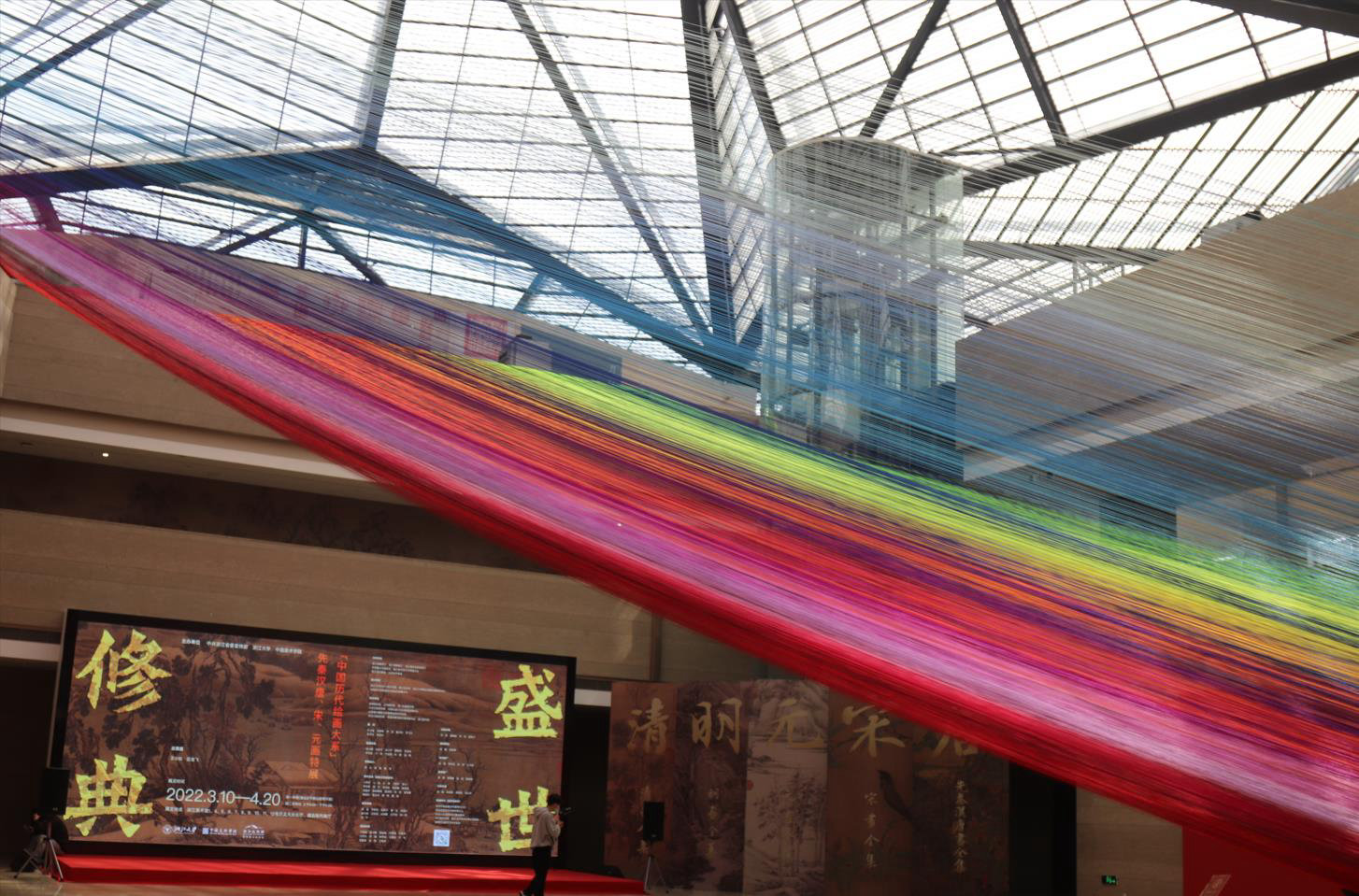 Compiling a Canon: A Comprehensive Collection of Ancient Chinese Paintings — Special Exhibition of Pre-Qin, Han, Tang, Song and Yuan PaintingsA Canon for a Flourishing Age: The Complete Collection of Ancient Chinese Paintings. March 10–April 20, 2022.
Zhejiang Art Museum faces Leifeng Pagoda across West Lake. Nearby, the niches and cliff carvings at Feilai Peak date from the Wuyue, Song and Yuan periods. They represent a high point of early Buddhist sculpture in the lower Yangtze region and draw visitors each year.
From March 10 to April 20, visitors to Gallery 6 and the Skylight Corridor at Zhejiang Art Museum can view the Feilai Peak sculptures alongside examples from Dunhuang, Yungang, Longmen, Dazu, Anyue in Sichuan, and the West Lake grottoes in Hangzhou. The replicas can be viewed close up, and some can be touched.
Bringing sculptures from distant grottoes to Hangzhou demonstrates the role of technology in conservation. In recent years Zhejiang University's Institute of Cultural Heritage has worked with several grotto conservation authorities to record sculptures and murals. The teams race to capture objects vulnerable to weathering as early and completely as possible, creating digital archives for their long-term preservation.
Using these records, Shenzhen MIC Technology Co., Ltd., Zhejiang University's Institute of Cultural Heritage and grotto conservation partners selected works for full-scale 3D printing. They included the west rear chamber of Yungang Cave 3 and all of Cave 12, the four niches of Guyang Cave at Longmen, Dazu Niche 245, Dunhuang Cave 57 and the Purple Bamboo Guanyin at Anyue. Space constraints ruled out Cave 12 for this exhibition, but visitors can see other major grotto sculptures, replicas of the paintings between the brackets in Foguang Temple's East Hall, and two attendant bodhisattvas from the hall. The hall is described as the only surviving Tang palace-style building.
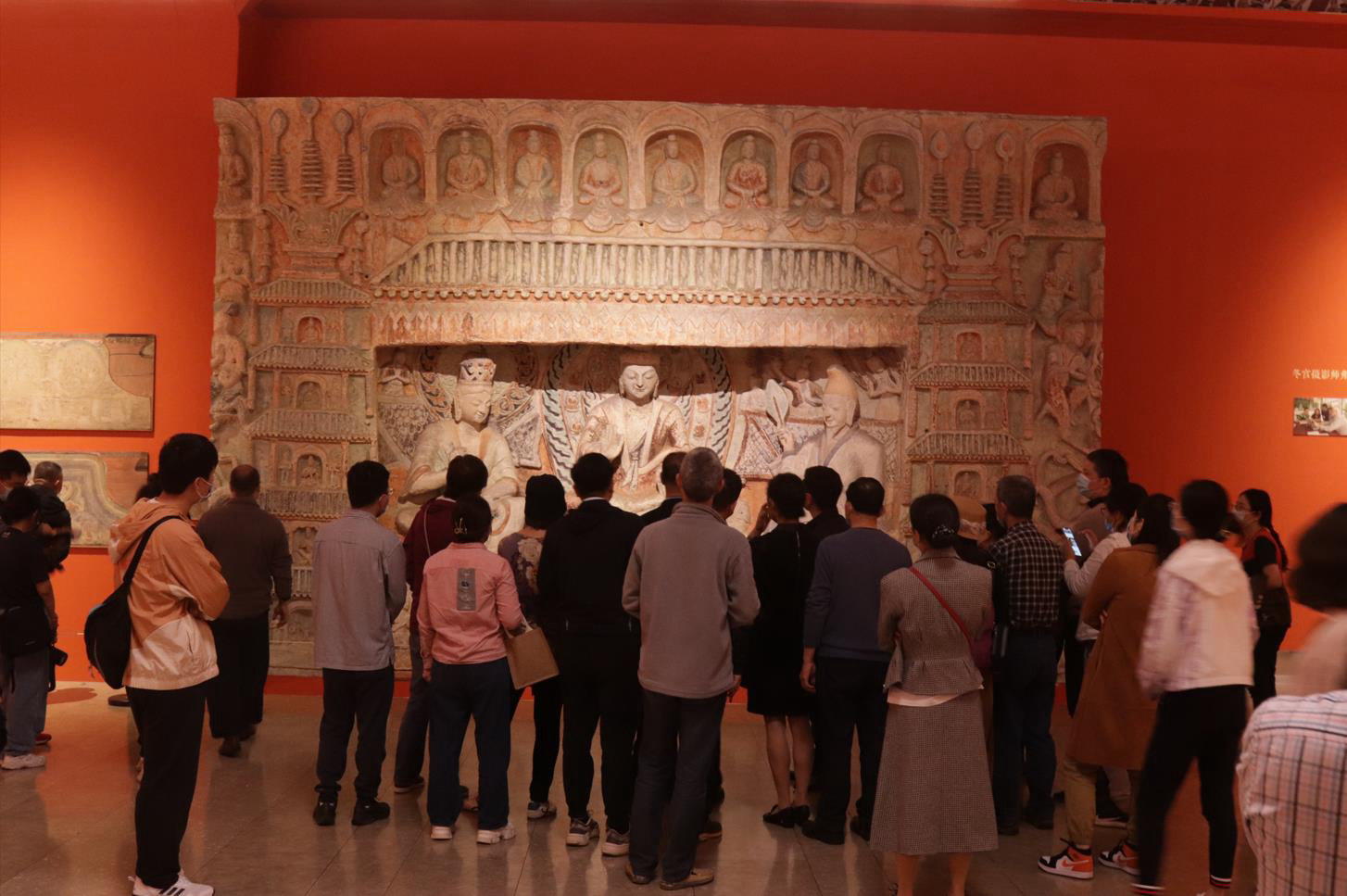 Vimalakirti's Illness, above the doorway on the south wall of Yungang Cave 6
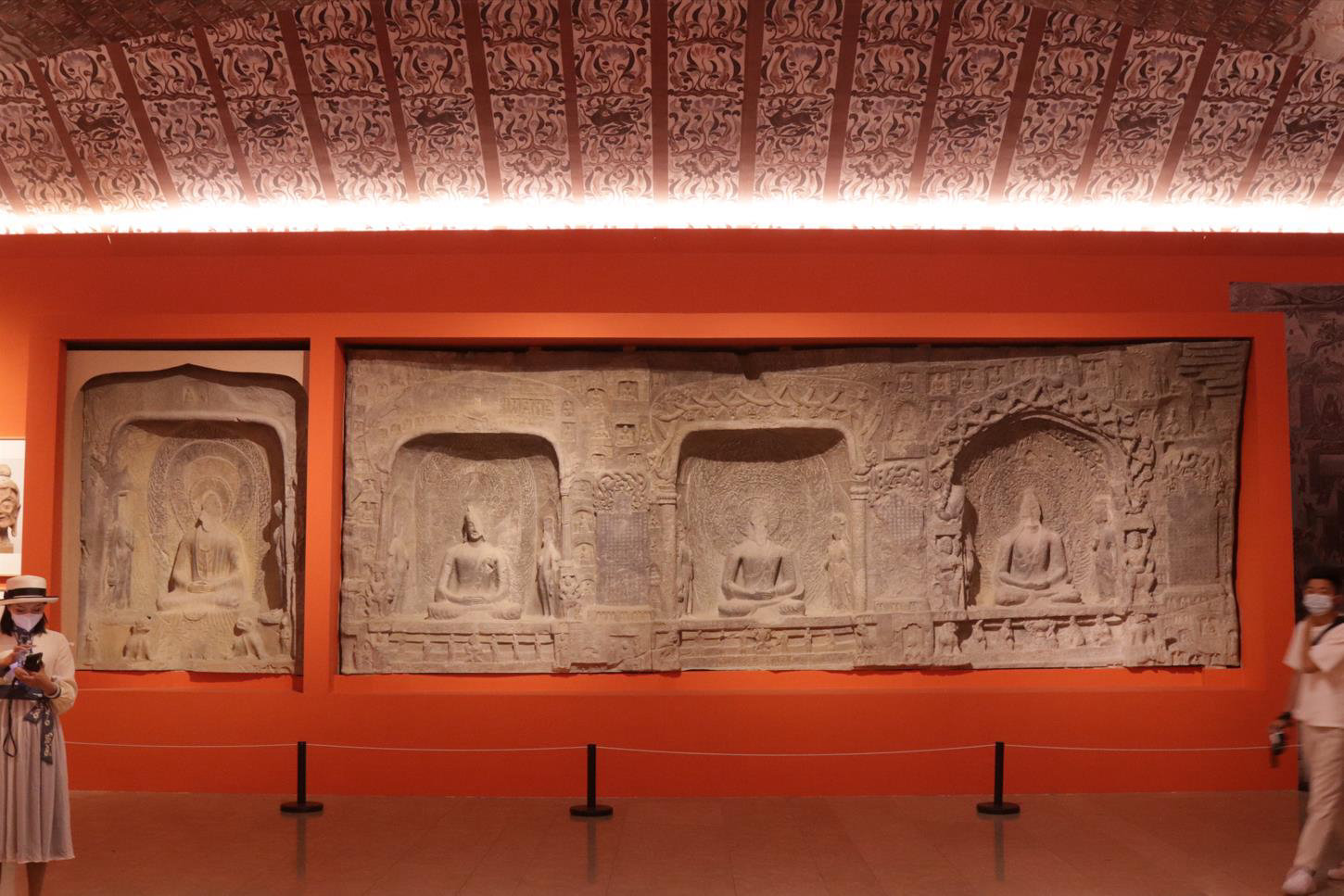 Four adjoining niches, including the Duke of Shiping niche, on the north wall of Guyang Cave, Longmen
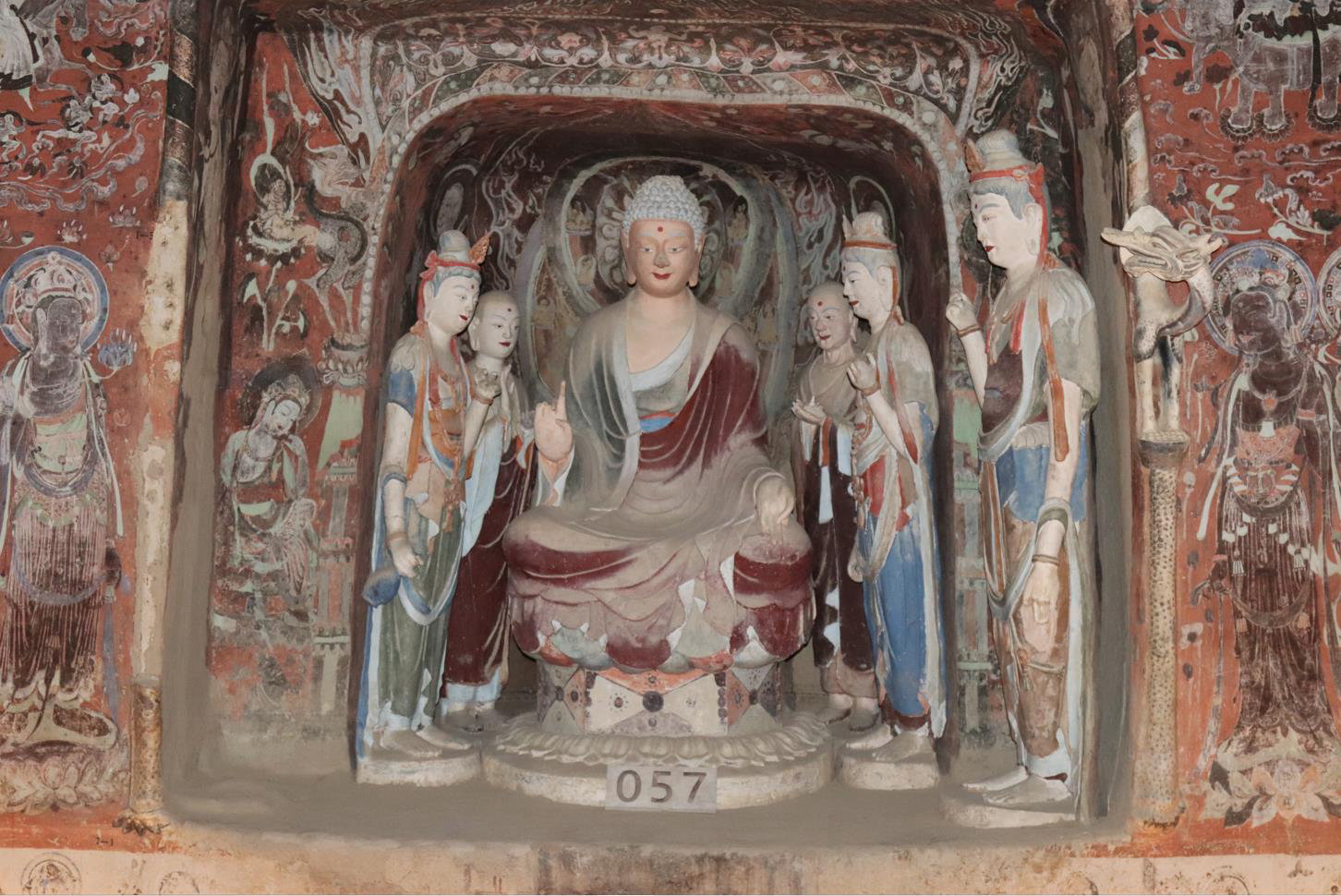 Mogao Cave 57, Dunhuang
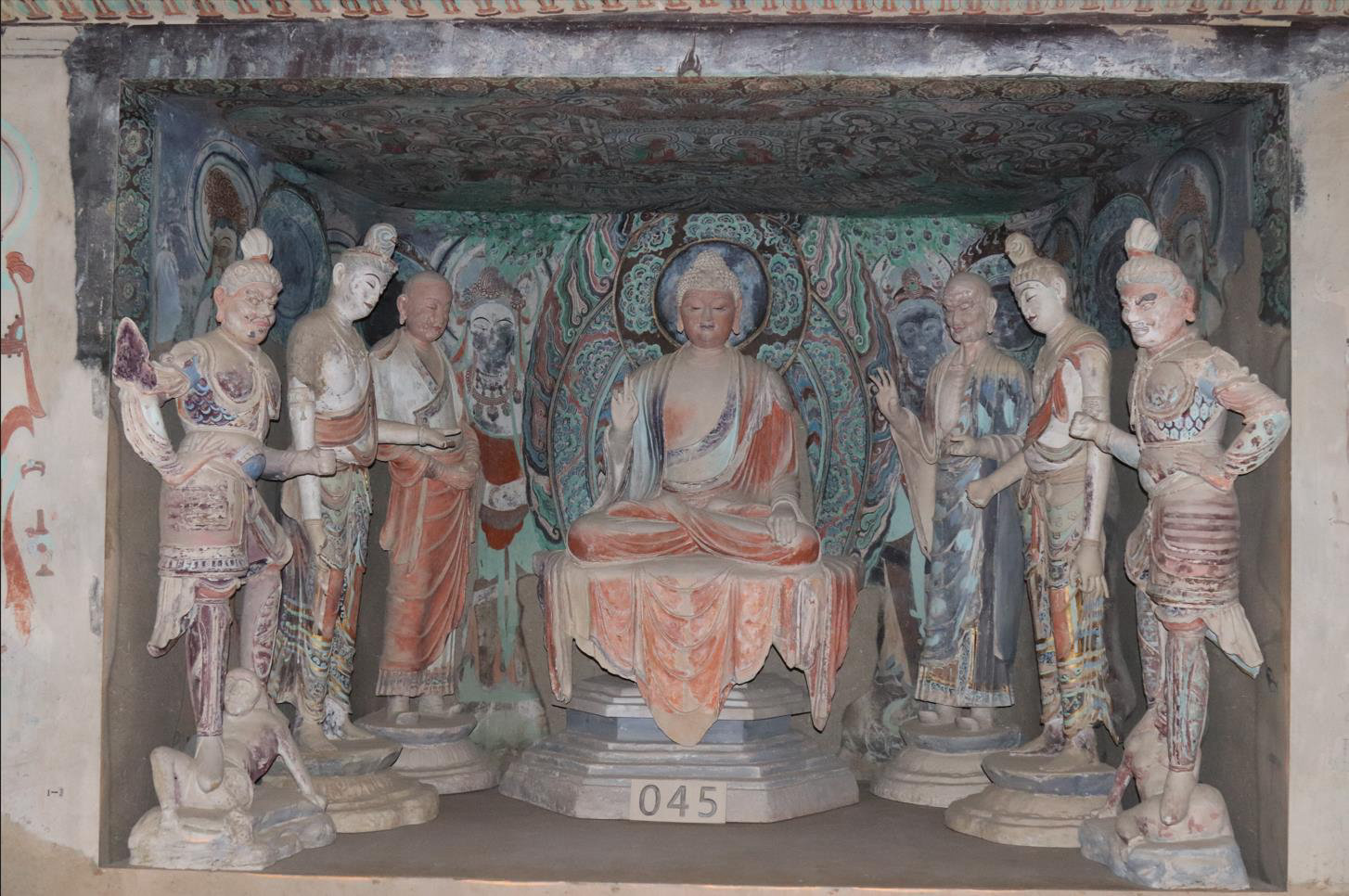 Mogao Cave 45, Dunhuang
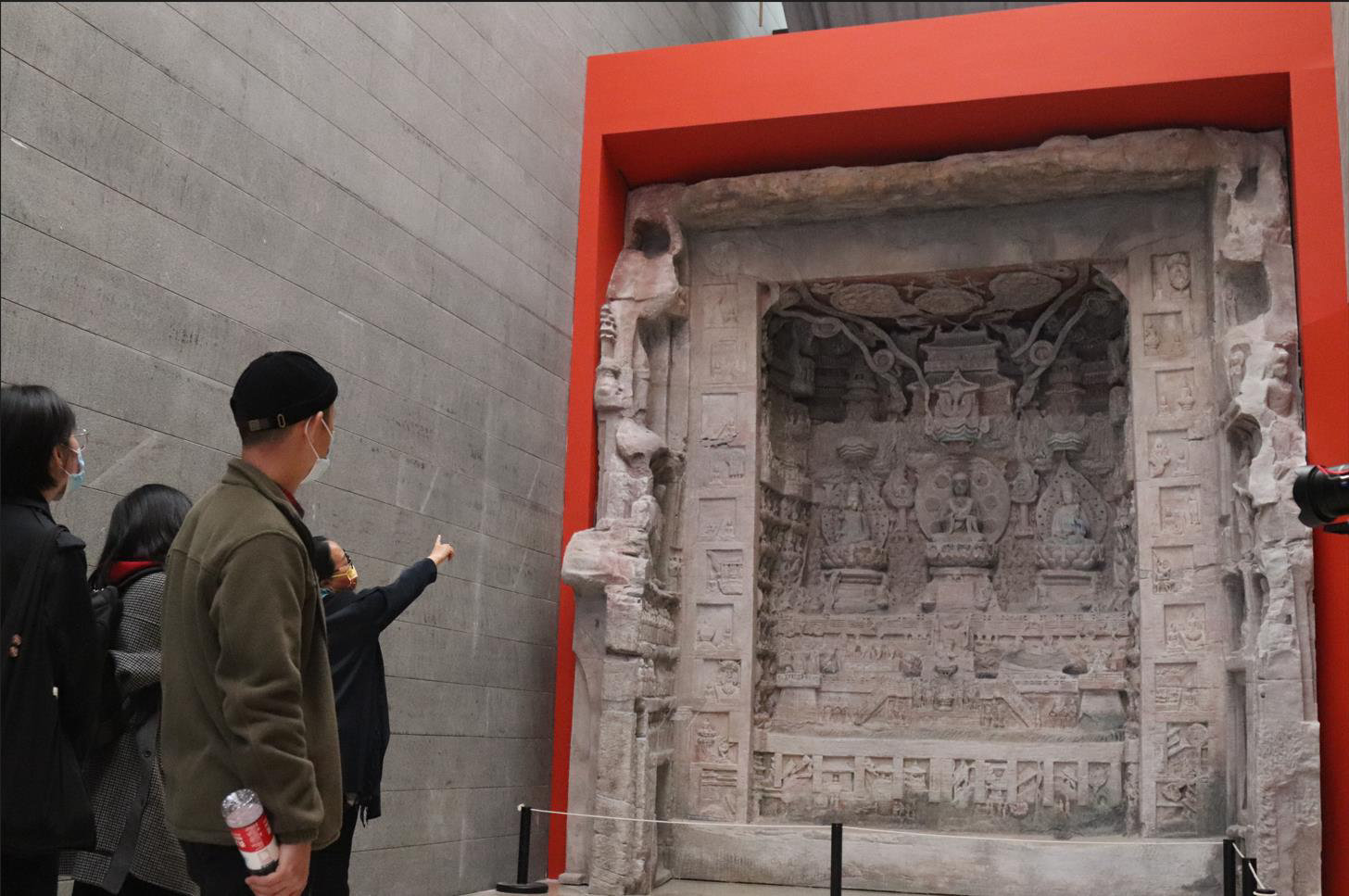 Niche 245, Beishan Rock Carvings, Dazu
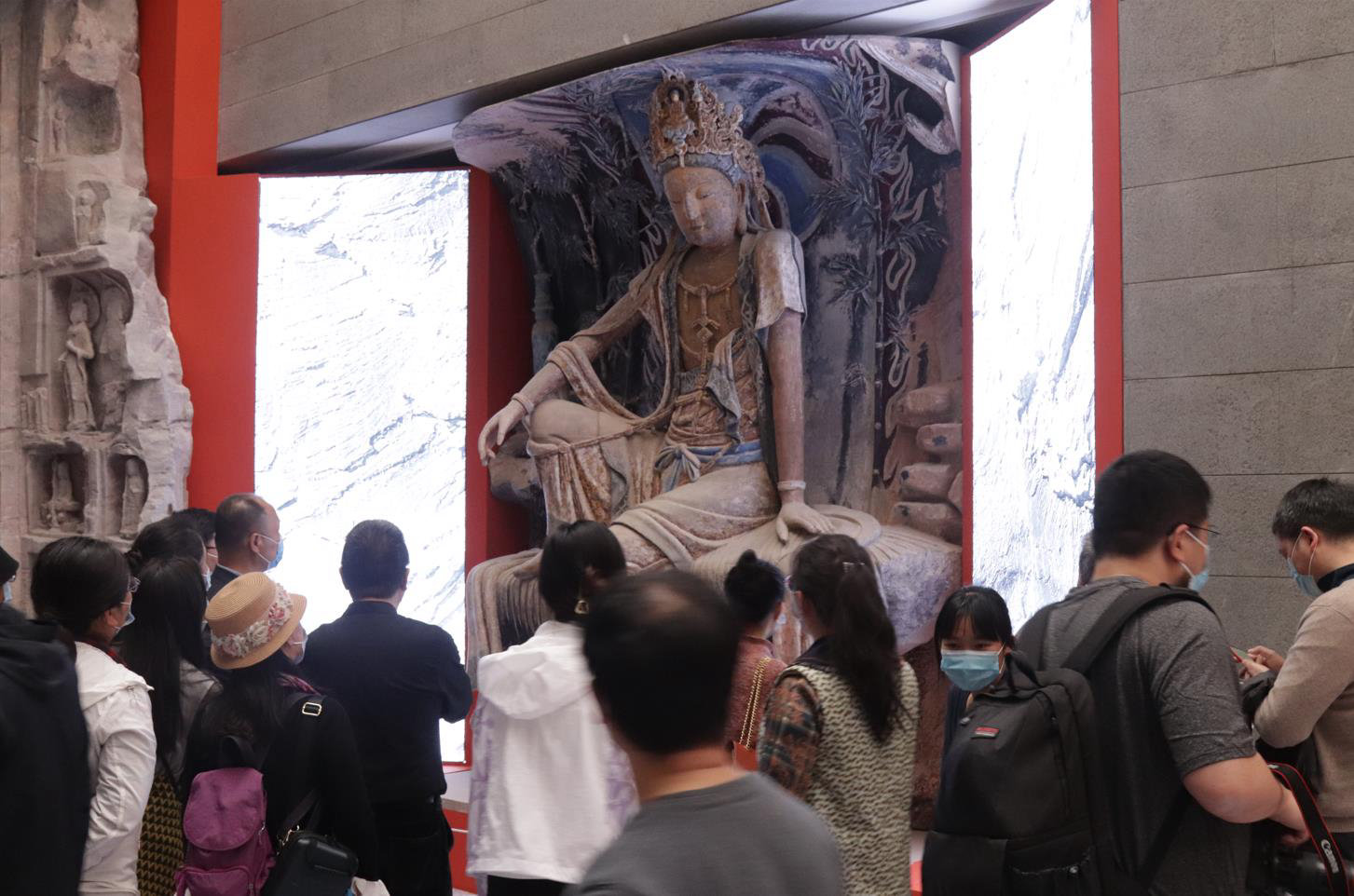 Purple Bamboo Guanyin, Pilu Cave, Anyue
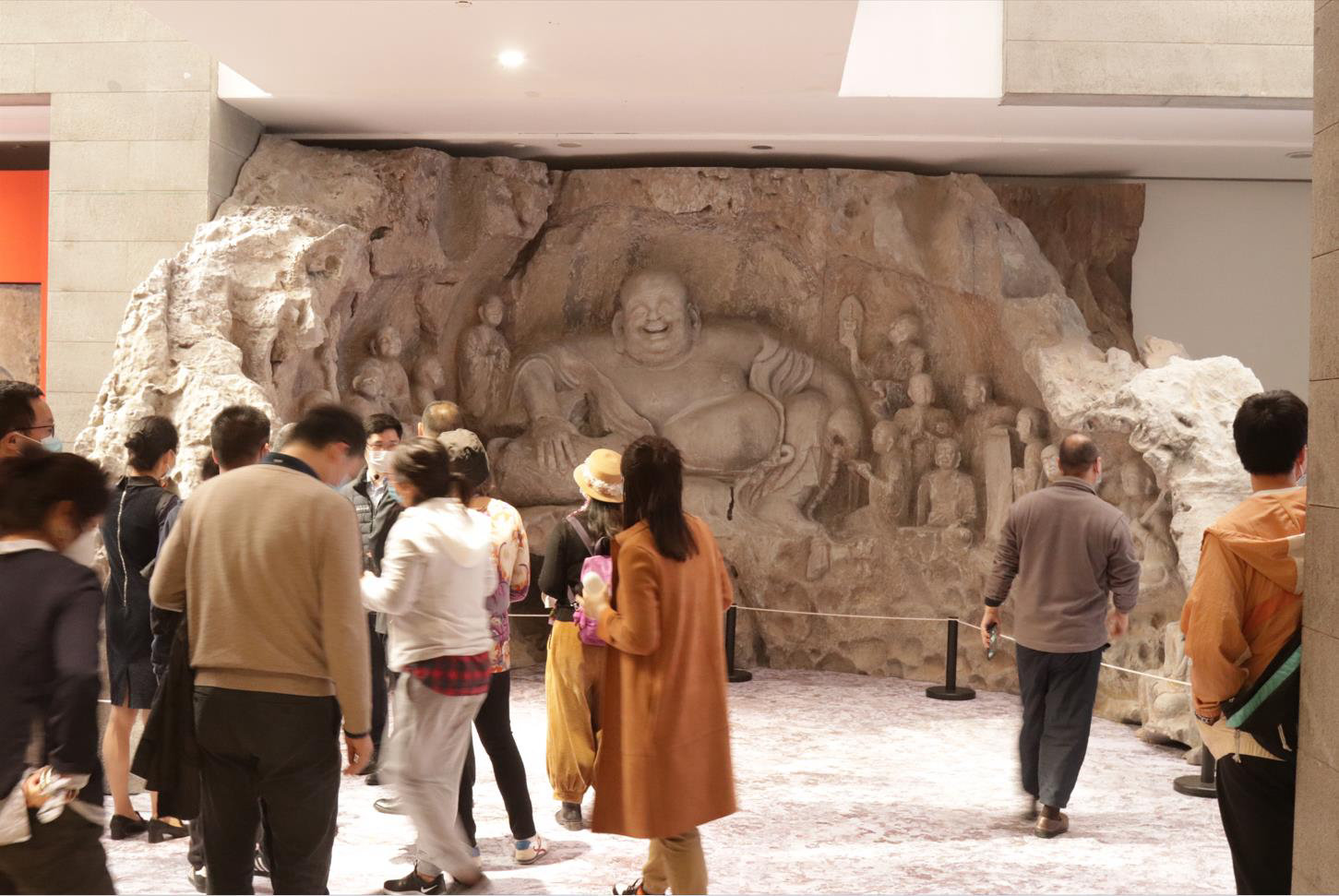 Cloth-Bag Maitreya and the Eighteen Arhats, Niche 68, Feilai Peak
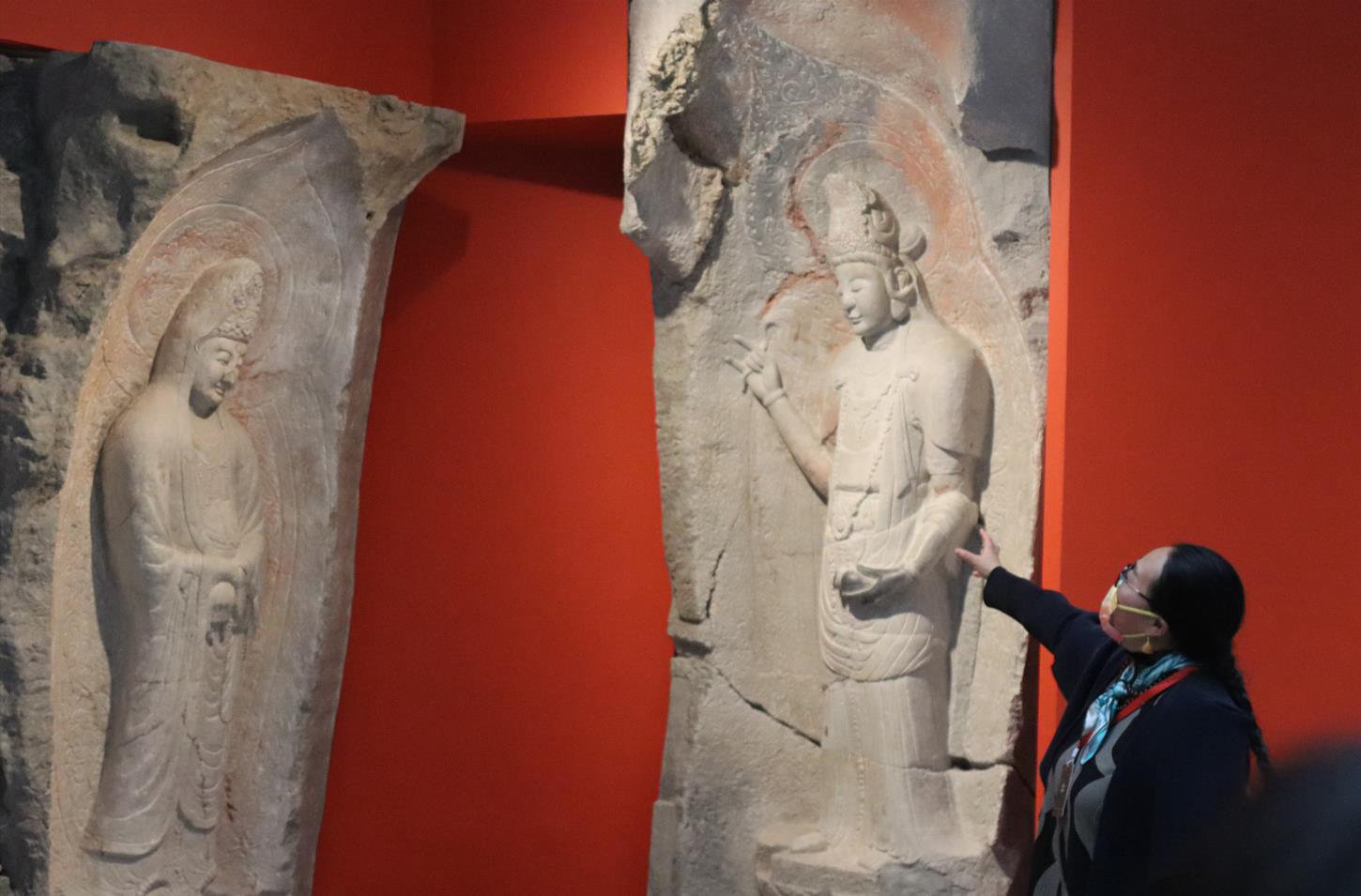 White-Robed Guanyin and Willow-Branch Guanyin, Yanxia Cave, West Lake Nanshan Grottoes
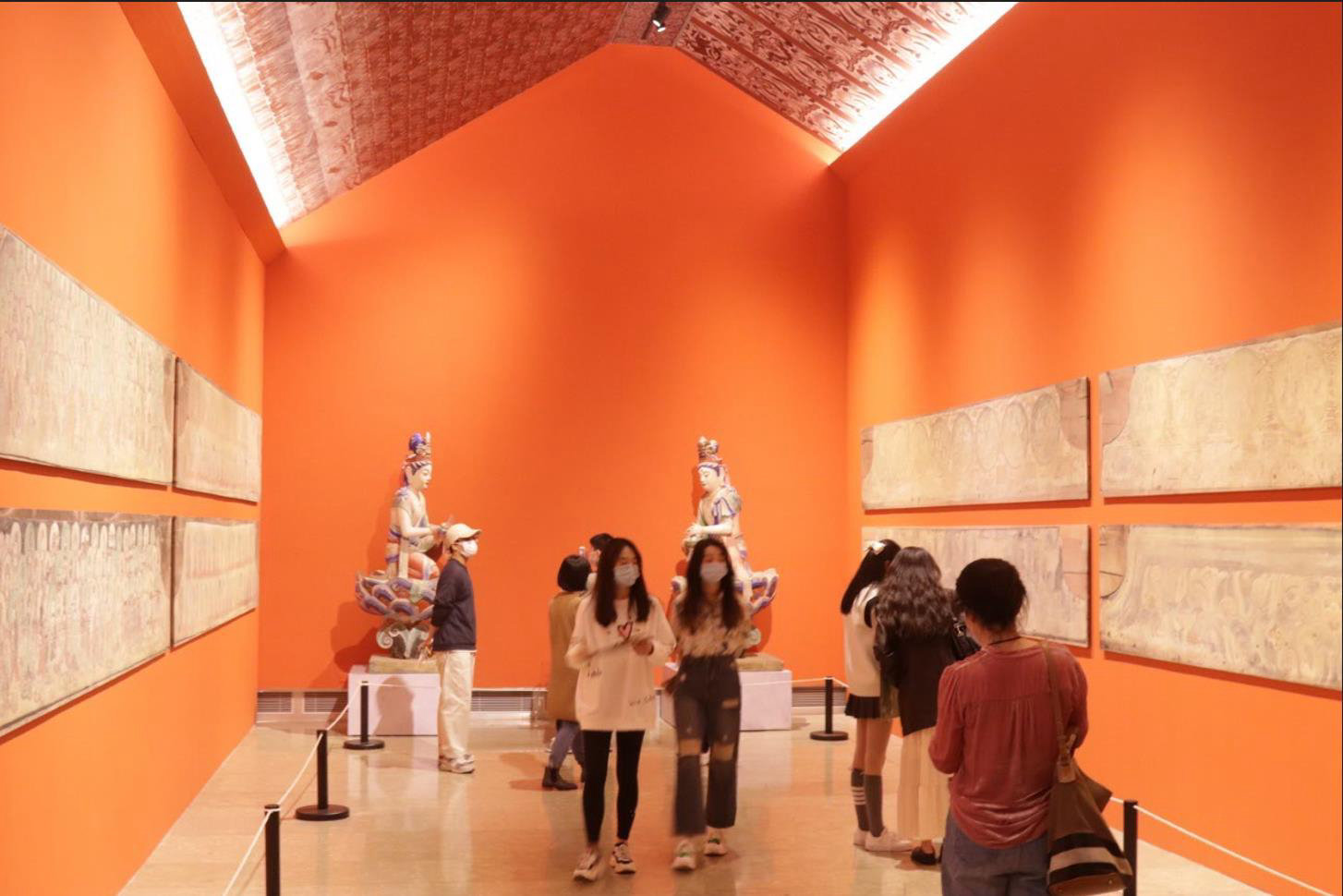 Murals between the brackets and two attendant bodhisattvas, East Hall of Foguang Temple