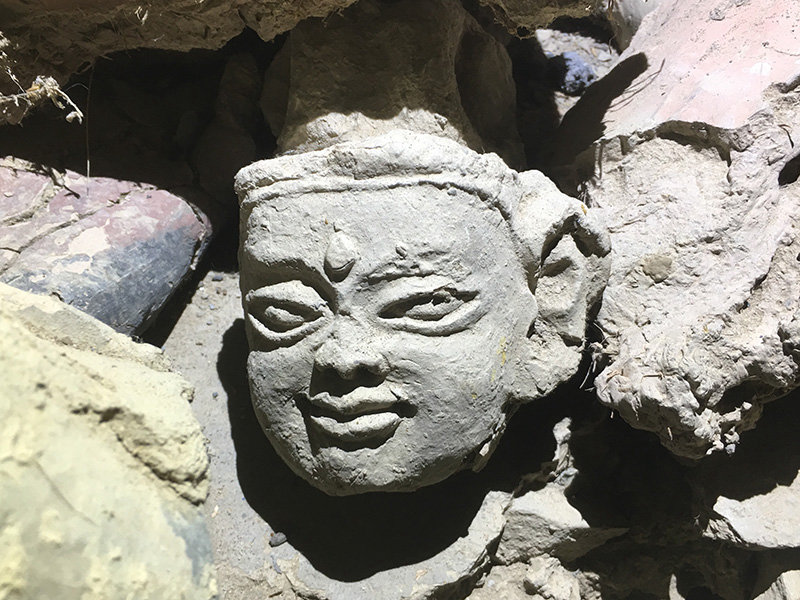
Ming dynasty Tibetan Buddhist murals and sculptures discovered in Shiqu, Sichuan
 Ming dynasty towers containing prayer halls have been found in the Garzê region in recent years, mostly in Kangding and Danba counties.
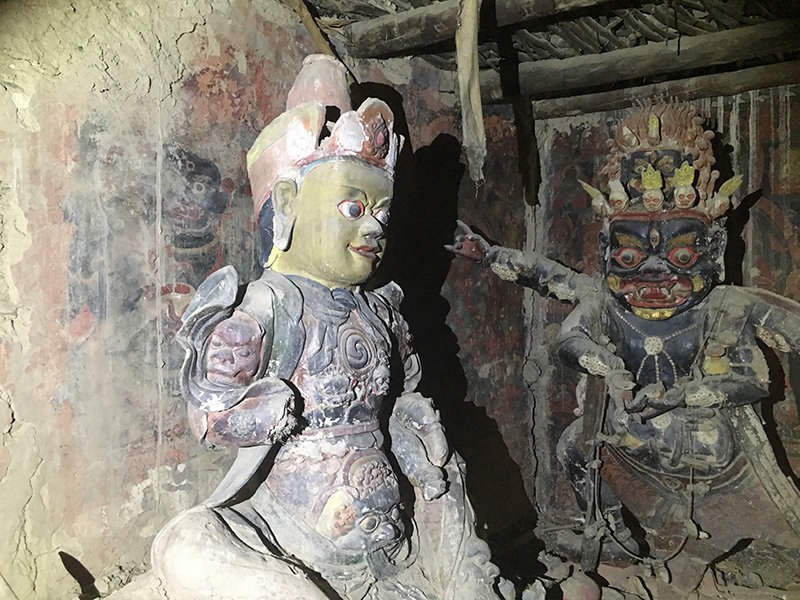
Monks at Mada Monastery told the reporters that the monastery was founded in 1269 as a Sakya institution and converted to the Gelug school in 1440. After damage during the Cultural Revolution, it remained largely undisturbed apart from natural deterioration. The paintings include clear Gelug imagery. This and their style suggest a date around the sixteenth century.
After two days of examination, Luo Wenhua told reporters that previous examples of Ming Tibetan Buddhist painting in Garzê had been found in towers rather than temple buildings. Their historical context and religious function were unclear. The protector chapel at Mada is part of a monastery, giving the paintings a different religious and historical context and considerable research value. Few Tibetan Buddhist monasteries anywhere in the Tibetan region retain both Ming paintings and sculpture. Large sculptures in particular often have vulnerable clay bodies and rarely survive intact. Both the paintings and sculptures in the protector chapel are exceptionally well preserved.